
That first sharp jolt of tooth pain always comes as a surprise, like an unwanted guest who refuses to leave. Some people ice it, some ignore it, and others hope it magically disappears, but dental problems rarely follow those rules. In Concord, Dr. Todd, Dr. Adam, Dr. Hannah, and Dr. Alicia with Caring Family Dentistry see firsthand how waiting even a little too long can turn a simple fix into a complicated one. Next, let’s look at what happens inside your mouth when dental pain is brushed aside instead of treated.
What Happens When You Wait Too Long
Tooth pain has a way of whispering before it starts shouting. What begins as a dull ache or a tiny chip can quickly snowball into something that demands attention. When dental issues are left untreated, bacteria move in, enamel weakens, and infections spread to the deeper layers of the tooth. Small cracks can widen, cavities can reach the nerve, and gum swelling can turn into a full-blown abscess.
Ignoring these changes doesn’t just risk your smile; it can affect your overall health too, since oral bacteria easily travel through the bloodstream. Dr. Todd, Dr. Adam, Dr. Hannah, and Dr. Alicia have seen how a single timely visit can stop a small issue from turning into a bigger one.
Next, let’s break down the most common dental emergencies and what each one means for your health.
Common Dental Emergencies (and What They Really Mean)
Dental emergencies don’t wait for a convenient moment; they show up when you least expect them, from dinner at home to a weekend out by Penacook Lake. Some seem minor at first, but each one can signal something deeper happening below the surface.
Here are a few of the most common situations and what they often indicate:
- Tooth pain that keeps you up at night: Often a sign that decay or infection has reached the inner pulp of the tooth.
- A chipped or broken tooth: Can expose delicate layers and leave the area vulnerable to bacteria and sensitivity.
- A knocked-out tooth: Has a limited window of time to be saved, usually around 30 minutes if kept moist and handled carefully.
- Sudden gum swelling or bleeding: May point to infection or an abscess forming beneath the gumline.
- A lost filling or crown: Leaves the tooth unprotected and open to further decay or cracking.
Each of these moments calls for quick attention and the steady hands of an experienced dental team. Next, let’s look at how Caring Family Dentistry handles emergencies like these with care and precision.
How Caring Family Dentistry Handles Emergencies
When a dental emergency strikes, panic is usually the first reaction. That’s why Dr. Todd, Dr. Adam, Dr. Hannah, and Dr. Alicia work quickly to bring calm, clarity, and care to every situation. The team offers flexible appointments whenever possible so patients can get help when it matters most.
Once you arrive, the process moves with purpose. Digital imaging helps identify what’s happening beneath the surface, and laser technology allows for precise, gentle treatment. Depending on the situation, care might include:
- Stabilizing the area to reduce swelling or pain
- Repairing cracks or chips with bonding, fillings, or crowns
- Treating infection with targeted care to protect surrounding teeth
- Replacing a lost tooth or restoring one that’s been knocked out
The focus is on restoring comfort and function while keeping each visit as smooth as possible. Next, let’s look at what you can do in those first few moments before you even reach the dental chair.

Quick Moves You Can Make Before the Dentist
When a dental emergency happens, those first few moments matter. While Dr. Todd, Dr. Adam, Dr. Hannah, and Dr. Alicia always encourage patients to call Caring Family Dentistry right away, a few smart steps can help protect your teeth and ease the situation until you arrive.
If a Tooth Gets Knocked Out
Pick up the tooth by the crown, not the root. If possible, place it back in the socket or store it in milk or saline to keep it moist.
If You Notice Swelling
Rinse your mouth gently with warm water and place a cold compress on your cheek to help with swelling.
If a Filling or Crown Falls Out
Avoid chewing on that side of your mouth. Bring the piece with you; it can help the team decide how to restore it.
If a Tooth Chips or Cracks
Rinse carefully and cover sharp edges with dental wax or sugar-free gum to protect your tongue or cheek.
Quick action keeps damage from getting worse and helps your appointment go more smoothly. Next, let’s look at how everyday habits can lower the chances of future dental emergencies.
Everyday Habits That Help You Avoid Dental Emergencies
The best way to avoid dental emergencies is by staying consistent with your care. A few simple habits can go a long way toward keeping your teeth healthy and avoiding those sudden surprises that tend to happen at the worst times.
Along with regular visits to Caring Family Dentistry, try adding these into your routine:
- Brush and floss daily to keep plaque and bacteria in check
- Schedule professional cleanings with Dr. Todd, Dr. Adam, Dr. Hannah, and Dr. Alicia to catch small issues early
- Wear a mouthguard during sports or active hobbies to protect against chips or fractures
- Stay hydrated to support saliva production and strong enamel
- Limit sugary and acidic snacks that wear down tooth surfaces
- Avoid chewing ice or hard objects that can cause cracks
These everyday choices make a powerful difference, turning unexpected dental emergencies into rare, manageable moments.
When the Unexpected Bites Back
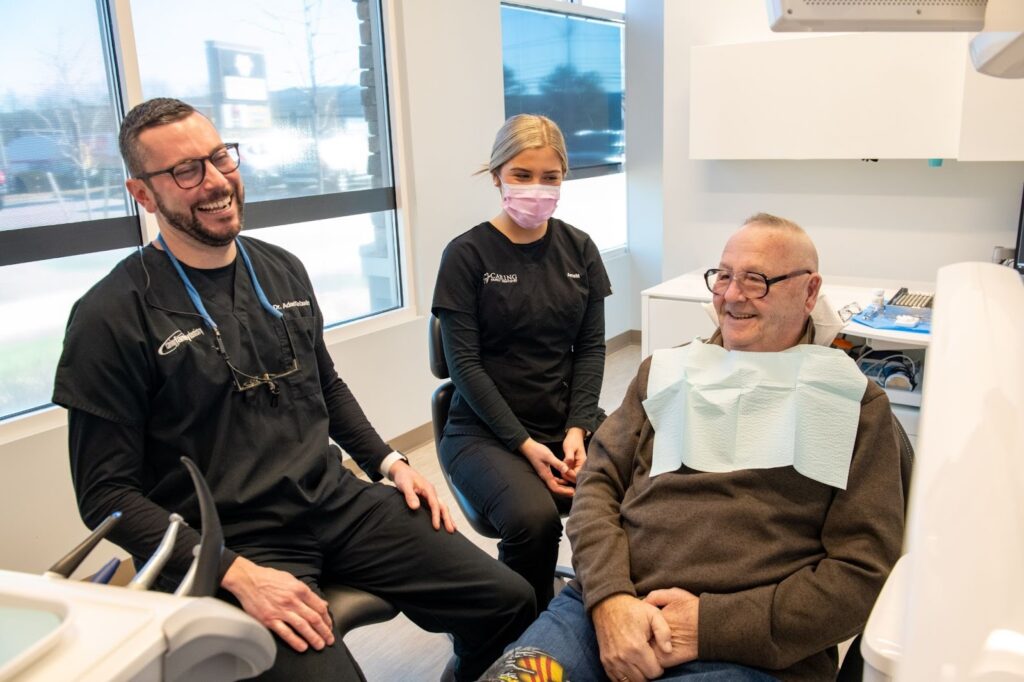
Dental emergencies never follow a schedule, but prompt care keeps them from turning into something worse. Dr. Todd, Dr. Adam, Dr. Hannah, and Dr. Alicia at Caring Family Dentistry in Concord offer expert care for sudden pain, damaged teeth, or any dental surprise that can’t wait. If something feels off, don’t wait it out. Call us to schedule an appointment and get back to feeling confident about your smile again!